
Original Jindal Rods vs Local Rods: Spot the Real Difference
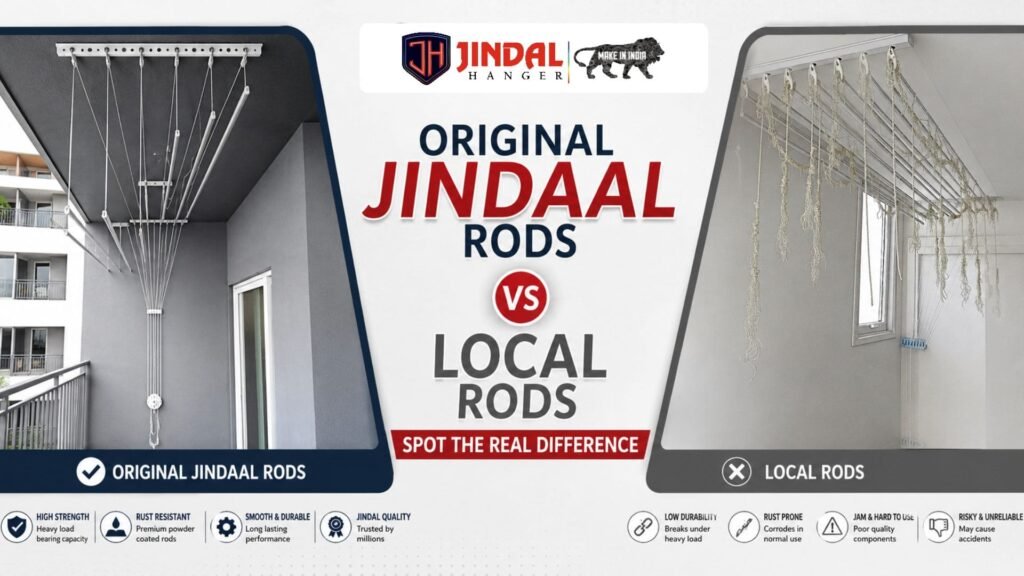
When it comes to Ceiling Cloth Hanger systems, construction, electrical fittings, ceiling support systems, or industrial applications, the quality of rods plays a major role in ensuring long-term strength, durability, and safety. Many buyers often get confused between original Jindal rods and low-cost local rods because both may look similar at first glance. However, the real difference becomes visible in performance, load-bearing capacity, finishing, corrosion resistance, and reliability over time.
For a Ceiling Cloth Hanger, the quality of the rods directly impacts the product’s stability and lifespan. Strong, premium-grade rods ensure smooth operation, support heavier laundry loads, and resist bending or rust even after years of daily use.
At Jindal Hanger, we believe customers should understand the importance of choosing genuine, high-quality rods instead of compromising with local alternatives that may affect the safety, performance, and durability of their Ceiling Cloth Hanger. In this blog, we will compare original Jindal rods with local rods in detail so you can make the right purchasing decision and invest in a reliable solution that lasts for years.
What Are Original Jindal Rods?
Original Jindal rods are manufactured using premium-grade steel with strict quality standards and advanced manufacturing processes. These rods are known for their strength, accurate dimensions, corrosion resistance, and long service life. They are widely used in construction projects, industrial fittings, HVAC systems, electrical installations, support systems, and ceiling suspension applications.
Original rods are tested for load-bearing capacity, threading accuracy, and material quality before reaching the market. This ensures consistent performance and reliability in every project.
What Are Local Rods?
Local rods are generally produced by small-scale manufacturers using lower-grade raw materials and inconsistent production methods. While they may appear cheaper and visually similar to branded rods, their quality often varies significantly.
Many local rods lack proper finishing, standard threading, rust protection, and strength testing. As a result, they may fail under pressure or corrode quickly, especially in demanding environments.
Major Differences Between Original Jindal Rods and Local Rods
1. Material Quality
One of the biggest differences lies in the raw material used.
Original Jindal rods are manufactured from high-quality steel that provides excellent tensile strength and durability, The material composition is carefully controlled to ensure consistent performance.
On the other hand, local rods are often made from mixed or recycled metal materials without proper quality control. This affects the overall strength and reliability of the rod.
Result:
Original Jindal rods last longer and perform better under heavy loads compared to local rods.
2. Strength and Load Capacity
Strength is a critical factor in industrial and construction applications.
Original rods undergo proper testing to ensure they can handle heavy loads without bending or breaking. Their load-bearing capacity is reliable and suitable for professional use.
Local rods may not follow standard testing procedures. Due to weaker materials and uneven manufacturing, they can bend easily or fail unexpectedly.
Why It Matters:
Substandard rods can result in structural failures, equipment damage, and potential safety hazards in projects.
3. Threading Accuracy
Thread quality plays an important role in installation and fitting performance.
Original Jindal rods come with precise and smooth threading that ensures perfect fitting with nuts, clamps, and support systems. This reduces installation time and improves overall stability.
Local rods often have rough, uneven, or inaccurate threading. This can create fitting issues and weaken the support structure.
Advantage of Original Rods:
Better threading means faster installation and secure connections.
4. Corrosion Resistance
Rust and corrosion are common problems in low-quality metal products.
Original Jindal rods usually feature superior finishing and protective coatings that help resist moisture, rust, and environmental damage. This makes them ideal for long-term use.
Local rods often lack proper coating and rust protection. Within a short time, they may start corroding, especially in humid or outdoor conditions.
Result:
Original rods maintain their quality and appearance for years.
5. Manufacturing Standards
Branded rods are produced using advanced machines and strict industrial standards.
Original Jindal rods are manufactured with consistency in size, thickness, and finishing. Every rod maintains uniform quality.
Local rods may vary in diameter, weight, and dimensions because of inconsistent production methods.
Why Standardization Matters:
Uniform rods ensure better compatibility and professional results in projects.
6. Surface Finish
The finishing quality of a rod reflects its manufacturing standards.
Original rods have a clean, polished, and smooth finish. This not only improves appearance but also protects against wear and tear.
Local rods may have rough surfaces, scratches, uneven coating, or visible defects.
Professional Preference:
Most contractors and engineers prefer original rods for clean and reliable installations.
7. Durability and Lifespan
Durability directly affects maintenance costs and replacement frequency.
Original Jindal rods are built for long-term performance. They can withstand pressure, environmental exposure, and heavy-duty applications for years.
Local rods may wear out faster, develop rust, or lose strength over time.
Long-Term Benefit:
Investing in original rods reduces maintenance and replacement costs.
8. Safety and Reliability
Safety should never be compromised in any project.
Original rods are tested for performance and reliability, making them suitable for critical applications.
Local rods may fail without warning because of poor material quality and lack of testing.
Important Note:
Using low-quality rods in support systems can create serious safety hazards.
Price Difference: Is Cheaper Really Better?
Many buyers choose local rods because of their lower price. However, lower cost often means compromised quality.
While original Jindal rods may have a slightly higher initial cost, they provide better value in the long run because of:
- Longer lifespan
- Reduced maintenance
- Better safety
- Higher strength
- Reliable performance
Cheap local rods may save money initially, but repeated replacements and failures can increase overall project costs.
How to Identify Original Jindal Rods
To avoid fake or low-quality products, buyers should check the following:
- Proper brand markings
- Consistent threading
- Smooth finishing
- Uniform dimensions
- Quality packaging
- Trusted supplier or dealer
Buying from reliable suppliers like Jindal Hanger helps ensure you receive genuine and high-quality rods for your projects.
Why Professionals Prefer Original Jindal Rods
Engineers, contractors, and industrial professionals often prefer original rods because they offer:
- High structural strength
- Long-lasting performance
- Accurate fitting
- Better corrosion resistance
- Reliable quality standards
- Enhanced safety
In professional applications, quality matters more than short-term savings.
Conclusion
The difference between original Jindal rods and local rods is much more than just price. While local rods may seem economical initially, they often compromise on quality, strength, durability, and safety.
Original Jindal rods provide superior performance, accurate dimensions, better finishing, and long-term reliability. They are designed to meet industrial standards and ensure secure installations in various applications.
At Jindal Hanger, we always recommend investing in genuine and high-quality products that deliver long-term value and dependable performance. Choosing the right rod today can prevent future maintenance issues, safety concerns, and unnecessary expenses.
If you want strong, durable, and reliable support solutions for your projects, original Jindal rods remain the smarter and safer choice.