
Upgrade Your Home with a Smart Cloth Drying Hanger System

In today’s fast-paced urban life, managing daily laundry can become a real challenge—especially when space is limited, and time is precious. That’s where a Cloth Drying Hanger becomes your silent household hero. Gone are the days when drying clothes meant ropes across rooms, balcony mess, or unsightly solutions hanging everywhere. Modern cloth drying hangers are not only smart and space-saving but also bring cleanliness, style, and convenience to your home. Let’s explore how a cloth drying hanger can revolutionize your laundry routine. What is a Cloth Drying Hanger A Cloth Drying Hanger is a fixed or semi-fixed system installed in your home—usually on the ceiling or wall—that allows you to hang and dry clothes efficiently. Unlike traditional methods, these hangers are discreet, ergonomic, and purpose-built for urban living. Whether you’re dealing with monsoon rains or a lack of sunlight, these systems ensure your clothes dry in a clean, secure, and organized manner. Why Every Home Needs a Cloth Drying Hanger If you’re still relying on ropes or window grills to dry clothes, it’s time for a smarter solution. Here’s why upgrading to a cloth drying hanger makes sense: 1. Saves Valuable Floor Space In apartments and compact homes, every square inch counts. A ceiling-mounted cloth drying hanger keeps your floor area free for movement and other activities. 2. Makes Drying More Organized No more clothes spread across chairs or furniture. With a hanger, every piece of clothing has its own place. It keeps your living areas neat and laundry in one spot. 3. Safe and Easy to Use Especially for elders and children in the house, bending and lifting can be uncomfortable. Cloth drying hangers with pulley systems make it easy to raise and lower the hanger to your comfort level. 4. Faster Drying in Compact Areas Placing the hanger near windows or fans helps speed up the drying process—even indoors. No need to rely on the weather anymore. 5. Elegant and Modern Look Most cloth drying hangers come in sleek, minimalistic designs that match modern home aesthetics. It blends with your interiors rather than standing out awkwardly. Best Areas to Install a Cloth Drying Hanger Not all spaces in your home are ideal for drying clothes, but certain zones can be smartly used with a cloth drying hanger: Features to Look For in a Cloth Drying Hanger While choosing a cloth drying hanger, look beyond the basic functionality. Here are features that enhance convenience and performance: At Jindal Hanger, we focus on these exact points to ensure our cloth drying hangers are both functional and stylish for modern homes. Daily Benefits of Using a Cloth Drying Hanger Once installed, a cloth drying hanger quietly improves your everyday life. Here’s how: Maintenance Tips for a Long-Lasting Cloth Drying Hanger To ensure your cloth drying hanger remains smooth and efficient for years, here are a few simple maintenance practices: Jindal Hanger products are designed for minimal maintenance and maximum performance, so you can enjoy hassle-free drying every day. Why Choose Jindal Hanger for Cloth Drying Hanger Solutions With thousands of happy households using our cloth drying hangers, Jindal Hanger is a trusted name in the home improvement space. We offer Whether you live in a city flat or an independent home, we have the right cloth drying hanger to match your lifestyle. Final Thoughts A Cloth Drying Hanger is not just another household item—it’s an essential utility that saves time, space, and effort. In today’s urban living conditions, where smart solutions are the need of the hour, choosing a well-designed hanger system can change the way you handle laundry forever.
Cloth Drying Hanger Solutions for Urban Homes
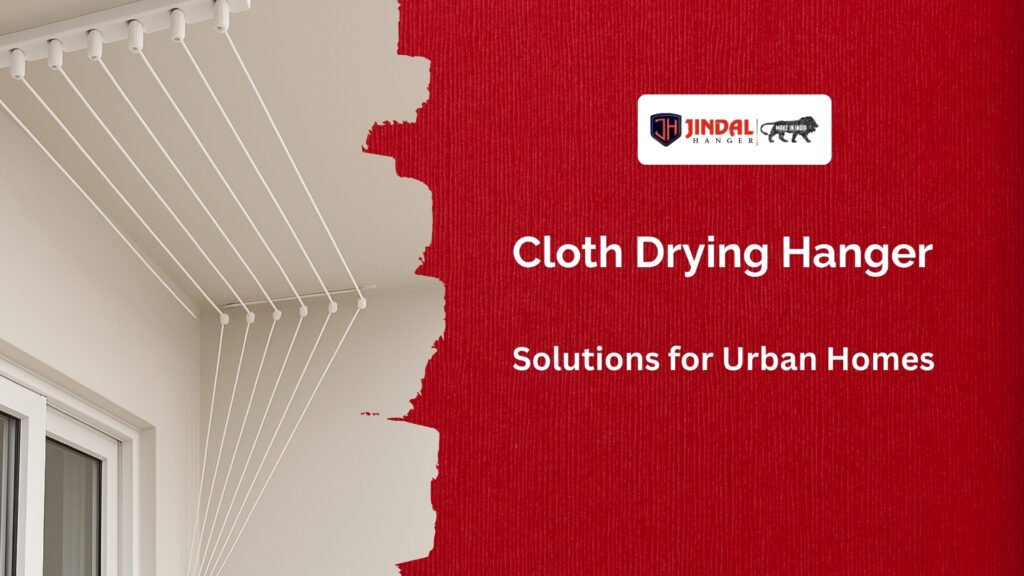
Living in an urban apartment often comes with its own set of challenges, and finding the right way to dry clothes is one of them. Limited balconies, small utility spaces, unpredictable weather, and the need to keep your living area tidy make it necessary to look for smarter solutions. This is where a modern Cloth Drying Hanger steps in as a game changer for urban homes. At Jindal Hanger, we understand the everyday struggles families face when it comes to drying laundry in apartments. That’s why we design Cloth Drying Hangers that combine space-saving convenience with modern style and sturdy functionality. We believe drying clothes should never be a hassle, no matter how small your living space is. Why a Cloth Drying Hanger is a Must for Urban Apartments City life means compact living. You can’t always rely on a big backyard or open terrace to sun-dry your clothes. Most urban dwellers find themselves struggling with wet clothes draped on chairs, balconies cluttered with makeshift clotheslines, or costly electric dryers that increase your power bills every month. A Cloth Drying Hanger from Jindal Hanger solves all these problems in one smart move, giving you a neat, efficient, and affordable way to dry clothes all year round. Key Benefits: Smart Designs for Modern Urban Needs Every urban home is different, so why settle for a one-size-fits-all drying solution? At Jindal Hanger, we offer a range of Cloth Drying Hanger solutions that fit different spaces, budgets, and family sizes. Popular Options: Our Cloth Drying Hangers are available in different sizes, capacities, and finishes to suit your taste and requirements. Added Benefits that Make a Big Difference Let’s talk about how a Cloth Drying Hanger can change your daily routine for the better. Why Jindal Hanger is the Trusted Choice We don’t just sell Cloth Drying Hangers — we provide carefully designed solutions that solve real urban living challenges. Why families love Jindal Hanger:Durable Quality: High-grade stainless steel and rust-resistant materials guarantee long-lasting performance. Smooth Operation: Premium pulleys, sturdy rods, and solid fixtures for hassle-free use. Modern Looks: Designed to match contemporary interiors and blend in effortlessly. Expert Installation: Our trained team ensures proper, secure fitting for maximum convenience. Customer Satisfaction: Fast support, helpful advice, and genuine care for every home we serve. With Jindal Hanger, you invest once and enjoy stress-free laundry days for years to come. Installation is Easy and Worry-Free Worried about installing a Cloth Drying Hanger in a small flat? Don’t be. Our expert team visits your site, understands your space, and recommends the best solution. Installation is quick, neat, and leaves your space ready to use in no time. Whether you live in a high-rise apartment, a compact studio, or a family flat, there’s a Jindal Hanger solution made just for you. Take the Smart Step Today Stop letting wet laundry eat up your precious living space. Switch to an innovative Cloth Drying Hanger from Jindal Hanger and see the difference for yourself. No more mess, no more stress — just a smarter way to dry clothes that fits your urban lifestyle perfectly. No matter your budget or space, there’s a perfect solution waiting at Jindal Hanger. Join thousands of happy families who trust us to keep their homes neat and laundry days easy. Final Thoughts Urban living should be easy and organized. A modern Cloth Drying Hanger is a smart upgrade that frees up space, protects your clothes, and keeps your home looking great.Choose Jindal Hanger for quality, style, and reliable solutions that make everyday life simpler. Dry your clothes smarter — make the switch today!
Turn Your Ceiling into a Drying Solution for Stress Free Laundry

Doing laundry is part of every home but drying clothes can be a big headache Wet clothes take up space they drip water and they make your balcony or room look messy Many people struggle during rainy days or in small apartments where there is not enough open space to dry clothes properly This is why more people now choose a smart Cloth Drying Hanger or Ceiling Cloth Hanger from Jindal Hanger for their homes It is the easiest way to dry clothes without using any floor space or spoiling the look of your home In this simple guide you will learn why you need a Cloth Drying Hanger from Jindal Hanger how it works where you can install it and how it makes your daily life easy and stress free Why Choose a Cloth Drying Hanger from Jindal Hanger A Cloth Drying Hanger by Jindal Hanger is a modern solution for drying clothes in flats and small homes where space is always a problem Instead of using ropes tied from wall to wall or filling up your balcony with clothes you can fix a Ceiling Cloth Hanger from Jindal Hanger and free up valuable space Your home looks tidy your balcony stays free for you to relax or enjoy fresh air and you never have to worry about sudden rain or dust ruining your washed clothes A good Cloth Drying Hanger from Jindal Hanger is made with strong stainless steel rods and smooth pulley ropes which last for years without rusting or breaking Benefits of Using a Ceiling Cloth Hanger by Jindal Hanger A Ceiling Cloth Hanger from Jindal Hanger uses the empty space above your head which is mostly wasted You can lift the wet clothes up and out of the way This means your living space stays neat and you get more room to move around without bumping into clotheslines Drying clothes naturally keeps them fresh It saves electricity since you do not need a dryer which also saves your power bill You can dry clothes day or night and do not have to depend on the weather It also keeps your family safe You do not have to bend or lift heavy wet clothes too many times which can hurt your back The smooth rope pulley from Jindal Hanger makes lifting easy so anyone can use it without effort How to Use a Cloth Drying Hanger from Jindal Hanger A Cloth Drying Hanger from Jindal Hanger is very simple to use The setup is easy and quick First choose a good spot with good air flow like a balcony or utility area Fix the rods and pulley system securely to the ceiling so it can hold heavy loads Once fixed you just hang your wet clothes on the rods Spread them nicely so air can pass through each cloth This helps clothes dry faster and without smell After hanging the clothes pull the rope to lift the hanger up to the ceiling Your clothes stay high above and your room stays clear Once dry pull the rope again to bring it down and remove your clothes This system from Jindal Hanger is so simple that elderly people and kids can also use it without much effort Where to Use a Ceiling Cloth Hanger by Jindal Hanger A Ceiling Cloth Hanger from Jindal Hanger can be used in many places inside your home The best spot is the balcony if you have one You get fresh air and sunlight which helps clothes dry faster Many people love fixing it in the balcony so they can keep the floor clear for sitting or gardening If you do not have a balcony use your utility area or wash area This is a great space because it is already made for washing and drying Some families fix it inside the bathroom to dry daily clothes or towels without taking up extra space For bigger families with more clothes to dry fixing more than one Cloth Drying Hanger in different rooms is a smart idea It keeps laundry sorted and prevents clothes from piling up Tips to Get the Best Out of Your Cloth Drying Hanger from Jindal Hanger To make the most of your Cloth Drying Hanger follow a few simple tips Always spread clothes well and do not overload the rods This helps air flow freely so clothes dry faster and stay fresh Check the rope and pulley once in a while to make sure they are smooth and safe Clean the rods sometimes to remove any dust so your clothes stay clean and stainless steel shines bright Use clips to hang small clothes or undergarments so they do not fall off while lifting the hanger up Why Every Home Needs a Cloth Drying Hanger by Jindal Hanger A Cloth Drying Hanger from Jindal Hanger is more than just a clothesline It is a smart home solution that gives comfort peace of mind and freedom from old drying problems Once fixed you save hours every week No more moving clothes inside and outside No more wet clothes getting dusty or blown away by wind Your home stays neat your balcony stays free and your family enjoys stress free laundry days Drying clothes becomes simple for everyone from kids to elders It adds value to your home and keeps your life clutter free Final Words So if you are tired of bending lifting and fighting for balcony space bring home a smart Cloth Drying Hanger from Jindal Hanger today Fix a Ceiling Cloth Hanger from Jindal Hanger and let your ceiling do the drying for you Enjoy more space a tidy home and stress free laundry days for years to come
Why Ceiling Cloth Hangers Are a Game Changer for Urban Homes
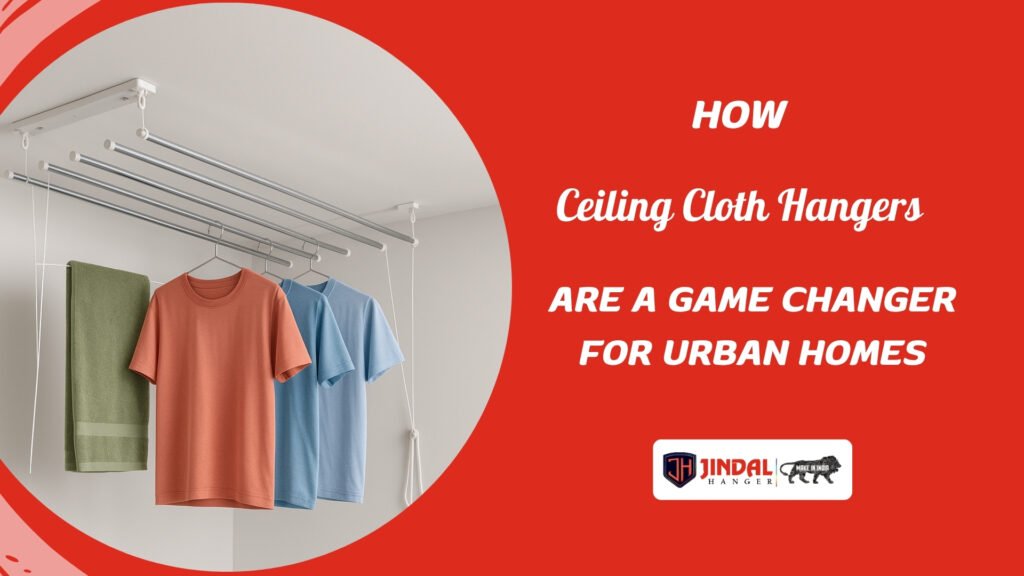
Living in an urban home comes with its share of perks — prime location, modern aesthetics, compact layouts, and efficient living. But when it comes to drying clothes, the struggle is all too real. With shrinking balconies, limited ventilation, and unpredictable weather, the traditional methods of drying laundry just don’t cut it anymore. That’s where a Ceiling Cloth Hanger comes in as an absolute game changer for urban homes. More than just a convenience, it’s a lifestyle upgrade. It blends functionality, smart space usage, and elegance into one compact solution — perfectly tailored for modern-day living. Understanding the Ceiling Cloth Hanger A Ceiling Cloth Hanger is a smartly engineered cloth drying system mounted on your ceiling, often using a pulley mechanism. You pull the rods down to hang your clothes and push them up to let them dry — all within the comfort of your own home. No more battling with rain, no more clothes blocking your hallway, and definitely no more eye-sores of tangled ropes or plastic stands. 1. Space Saving at Its Best In most city apartments, space is a luxury. Every square foot counts — and floor space is especially precious. Traditional drying racks, foldable stands, and ropes strung across the room end up being inconvenient, clunky, and unattractive. But with a Ceiling Cloth Hanger, all your drying happens up above — using vertical space that otherwise remains unused. Whether it’s your utility area, bathroom, balcony, or even corridor, this system ensures: 2. Weather Doesn’t Get a Say Anymore Let’s face it — urban weather can be wildly unpredictable. One minute it’s sunny, and the next, a dust storm or rain spell rolls in. Outdoor drying becomes a risk you don’t want to take. A Ceiling Cloth Hanger brings that routine indoors. You can dry clothes any time of the day, in any weather, without worrying about moisture, dust, or pollutants. 3. Smart Pulley System for Effortless Use What truly makes this solution a game changer is its intelligent pulley mechanism. With a gentle pull, you can lower the rods to a comfortable level, hang your clothes with ease, and then raise them back up toward the ceiling. There’s no bending, no lifting, and no strain on your back — making it ideal for everyone, including elderly family members. 4. Sleek Designs for Modern Interiors Urban homes are not just functional — they are also designed with aesthetics in mind. You don’t want a bulky dryer or plastic stand ruining the minimalistic look of your interiors. Today’s Ceiling Cloth Hanger systems come in various modern designs and finishes like: It doesn’t just blend into your home — it enhances its look while staying invisible when not in use. 5. Durability Meets Practicality Built from high-quality, rust-free materials, these hangers are made to withstand daily use. Whether you’re drying heavy jeans, wet towels, or delicate garments — the Ceiling Cloth Hanger handles it all with ease. Once installed, it becomes a maintenance-free part of your daily routine — giving you peace of mind for years. 6. Ideal for Nuclear Families & Working Professionals In fast-paced city life, time is always short. A Ceiling Cloth Hanger adapts to your routine — not the other way around. Got 10 minutes before work? Quickly hang your clothes.Coming home late at night? Use indoor fans to dry them overnight.Unexpected guests arriving? Push the rods up and the clothes vanish from view. 7. Hygiene & Cleanliness Guaranteed City air isn’t always clean. Dust, pollution, bird droppings, and construction residue in the environment can ruin freshly washed clothes. Indoor drying through a Ceiling Cloth Hanger keeps your laundry protected and hygienic. Your whites stay white, your baby’s clothes stay safe, and your expensive wearables remain protected from fading or staining. 8. Sustainable and Eco-Friendly Unlike electric dryers that consume energy and wear out your clothes over time, ceiling cloth hangers offer a green alternative. It saves electricity, reduces carbon footprint, and extends the life of your clothes. 9. Easy Installation with Added Benefits When you choose trusted brands like Jindal Hanger, your experience gets even better: You don’t just get a product; you get a complete drying solution. Conclusion: If you’re living in a city apartment and juggling time, space, and weather — the Ceiling Cloth Hanger is no longer a luxury; it’s a necessity. It adds functionality to your home, elegance to your interiors, and freedom to your schedule. No more waiting for sunny days. No more running to pull clothes in during sudden rain. No more awkward metal stands in your living room.
Rain or Dust Nothing Can Stop Your Drying Routine Now
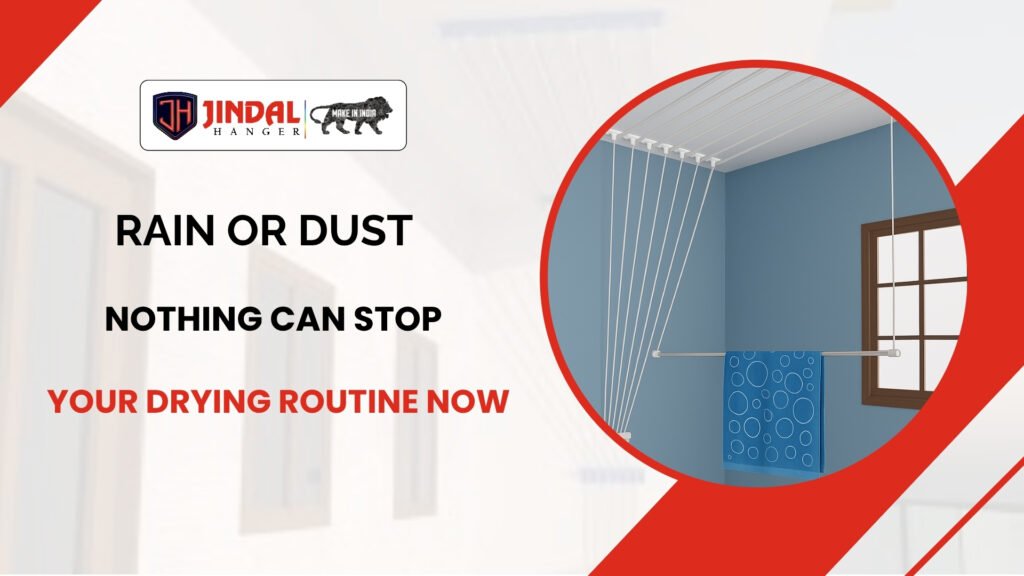
In today’s unpredictable weather, drying clothes the traditional way has become more of a gamble than a routine. Sudden rain, dusty winds, or gloomy overcast skies — all seem to have an uncanny timing of showing up just when you’ve hung your clothes outside. But here’s some good news: Rain or Dust, Nothing Can Stop Your Drying Routine Now. How? The answer lies in a smart, space-saving, and durable solution – the Ceiling Cloth Hanger. What is a Ceiling Cloth Hanger A Ceiling Cloth Hanger is a modern-day utility innovation designed to hang clothes inside your home — without eating up floor space. It is mounted to the ceiling, usually in balconies, utility rooms, or bathrooms, and comes with rods that can be lowered with pulleys to hang clothes. Once done, you simply pull it up and out of your way. This system lets you dry clothes safely indoors — away from rain, away from dust, and most importantly, away from worries. Why Traditional Drying is Outdated Let’s be honest — we all grew up drying clothes on balconies, ropes, or outside verandahs. But times have changed. That’s exactly why switching to a Ceiling Cloth Hanger is not just smart—it’s necessary. Benefits That Make a Ceiling Cloth Hanger Irresistible 1. No More Weather Worries Whether it’s the monsoon pouring outside or a dust storm sweeping your neighborhood, your drying doesn’t stop. Ceiling cloth hangers let you dry clothes indoors efficiently, so your laundry routine continues, rain or shine. 2. Maximizes Vertical Space This smart system uses the ceiling area that would otherwise go unused. You don’t need to sacrifice floor space or navigate through a maze of hanging clothes. 3. User-Friendly Pulley Mechanism The pulley system is smooth, safe, and effortless. Simply pull the cords to lower the rods while hanging your clothes, and then lift them up when done. Drying indoors keeps your clothes away from outdoor pollution, allergens, or even stray bird feathers that may float into open balconies. 4. Hygienic Drying Solution 5. Highly Durable and Long Lasting Made from rust-proof stainless steel or heavy-duty aluminum, ceiling cloth hangers are built to last. Once installed, they require minimal maintenance. Where Can You Install a Ceiling Cloth Hanger The beauty of a ceiling cloth hanger lies in its versatility. It can be installed in multiple locations inside your home: Wherever you choose, the result is the same: Hassle-free drying without weather disruption. Best Choice for Working Professionals and Urban Families If you’re someone with a tight schedule, this hanger is a life-saver. Imagine finishing a laundry load at 9 pm, hanging your clothes at 9:10 pm — indoors — and having them dried by morning thanks to cross ventilation or fans. No need to wait for the “right time” or stress about rain forecasts. Your routine stays uninterrupted, clean, and smooth. Design Options to Suit Your Home Today’s ceiling cloth hangers come in a variety of designs and finishes: Whatever your aesthetic or practical need is, there’s a ceiling hanger that fits. Quick Installation and Zero Hassle When you choose a trusted brand like Jindal Hanger, you not only get a reliable product but also: These extras make the ceiling cloth hanger not just a product but a complete solution to your drying problems. Don’t Just Buy — Upgrade Your Lifestyle A Ceiling Cloth Hanger is not just about drying clothes — it’s about adding comfort, cleanliness, and consistency to your daily life. It makes your laundry routine smarter, faster, and stress-free. In short, “Rain or Dust, Nothing Can Stop Your Drying Routine Now” — because you’ve got the smartest drying solution indoors. Final Thoughts We often underestimate the power of small upgrades in our homes. A ceiling cloth hanger may seem like a minor change, but it brings major convenience — especially in unpredictable climates or compact living spaces. So, if you’re tired of adjusting your routine around the weather, or simply want a cleaner and neater way to dry clothes, it’s time to make the switch.
How to Maintain Your Ceiling Hanger with Pulley System for Long-Lasting Use

A Ceiling Hanger with Pulley System is a practical and space-saving solution for drying clothes in homes where space is limited. Many homeowners turn to this innovative system for its ease of use and ability to dry clothes efficiently without taking up precious floor space. One such product that has garnered attention for its reliability and durability is the Pulley Cloth Drying Hanger by Jindal Hanger. However, like any other household system, your ceiling hanger with pulley requires proper maintenance to ensure its smooth functioning for a long time. Regular upkeep prevents wear and tear, which can otherwise reduce its efficiency and lifespan. In this blog, we will discuss how to maintain your ceiling hanger with a pulley system for long-lasting use. 1. Clean the Pulleys and Cables The pulleys and cables are the heart of your Pulley Cloth Drying Hanger. These components facilitate smooth movement and provide the stability needed for efficient cloth drying. Over time, dust, dirt, and debris can accumulate in the pulleys and on the cables, leading to friction and potential wear. To clean the pulleys and cables: Use a soft cloth to wipe down the pulleys, ensuring that there is no buildup of grime. Check the cables for any signs of fraying or damage. If you notice any, it’s essential to replace them to prevent any accidents. Occasionally, apply a lubricant to the pulley system. This will allow the pulleys to move smoothly and reduce wear on the system. move smoothly and reduce wear on the system. It’s advisable to carry out a thorough cleaning of the pulley and cable system at least once every month to ensure optimal performance. This will prevent dirt from accumulating and causing unnecessary friction. 2. Inspect for Loose Connections and Damaged Components One of the most common causes of issues with ceiling hangers is loose or damaged connections. The pulley system is installed on the ceiling, and over time, screws or bolts may loosen due to the weight of the clothes being hung. To avoid such issues: Regularly inspect all screws and fasteners to ensure they are tight and secure. Check the hanger’s frame for any signs of bending or warping. If there’s any damage to the frame, it should be addressed promptly to avoid compromising the entire system. If you notice any worn-out components such as rusted bolts or damaged pulleys, it’s important to replace them with high-quality, compatible parts. Using subpar materials can lead to additional problems down the road. Performing these inspections on a semi-annual basis will keep your Pulley Cloth Drying Hanger functioning properly and safely. 3. Lubricate Moving Parts The pulleys, hooks, and cables in a ceiling hanger system are in constant motion, especially when raising or lowering the drying rods. Without proper lubrication, the friction in the moving parts can lead to quicker wear and tear. To keep your system working smoothly: Lubricate the pulleys, hooks, and cables once or twice a year with a silicone-based lubricant or a lubricant specifically designed for pulley systems. Avoid using oily or greasy substances, as they can attract dust and dirt, which can eventually cause blockages or damage. Make sure that the lubricant is evenly applied and that no excess lubricant drips onto other parts of the ceiling hanger or your clothes. Lubrication helps reduce the noise generated by the system and improves the overall efficiency of the pulley mechanism. So, give it a go at least once a year for the best performance. 4. Check the Weight Capacity Every Pulley Cloth Drying Hanger 500 is designed to support a certain weight limit. Exceeding this limit can cause strain on the pulley system, resulting in damage or failure. When using your ceiling hanger, ensure that you are mindful of its weight capacity. To maintain its long-lasting use: Avoid overloading the drying rods with heavy clothing items such as blankets or comforters. Instead, hang heavier items individually, if necessary. If you need to dry multiple heavy items, consider dividing them into smaller loads or using additional drying rods to distribute the weight evenly. If you frequently dry large amounts of laundry, ensure that the system you’ve installed is designed for heavy-duty use. Some models, including the Jindal Hanger range, offer a higher weight capacity for such purposes. By checking the weight capacity monthly and adjusting your drying routine accordingly, you will protect your pulley system from unnecessary stress and preserve its longevity. 5. Monitor for Rust and Corrosion Rust is one of the most significant threats to a ceiling hanger with a pulley system, especially if it’s installed in a humid environment such as a bathroom or laundry room. Rust can compromise the integrity of metal components and lead to system breakdown. To prevent rusting: Inspect the system for any signs of rust on the pulleys, cables, or other metal parts. If you notice any rust, immediately clean the affected area with a soft brush or cloth. You can use a mixture of vinegar and water to remove stubborn rust stains. Apply a protective coating or rust inhibitor to metal parts, especially if the hanger is located in a humid room. This will act as a barrier, protecting the metal from moisture and oxidation. Dealing with rust is essential to keep the pulley system in top condition, so an annual inspection of your ceiling hanger is advised. 6. Ensure Proper Installation A properly installed ceiling hanger will work much more efficiently than one that has not been mounted securely. When you first install a Pulley Cloth Drying Hanger by Jindal Hanger, make sure the system is fixed firmly to the ceiling, with all the components in their designated positions. Any misalignment can lead to improper functioning or premature damage. To maintain correct installation: Check the mounting brackets and screws to make sure they are not loose or weakened over time. Ensure that the pulley system is correctly aligned and the cables are not hanging unevenly. If you notice any misalignment or the system starts to sag,
Master the Art of Using a Pulley Ceiling Cloth Hanger in Simple Steps

When it comes to saving space and drying clothes efficiently, a Pulley Cloth Drying Hanger is an absolute game-changer for any home. These innovative ceiling-mounted drying solutions have gained popularity over the years due to their practicality, space-saving capabilities, and convenience. One company that’s made a name for itself in this industry is Jindal Hanger, offering high-quality pulley-based cloth hangers that make laundry days easier and more efficient. In this blog, we will walk you through how to use a Pulley Ceiling Cloth Hanger, breaking down the steps in a simple and easy-to-understand manner. Whether you’re considering purchasing one for your home or are already using a Pulley Cloth Drying Hanger, understanding how to maximize its use will help ensure you get the most out of this fantastic home appliance Why Choose a Pulley Ceiling Cloth Hanger? Before diving into the steps of using a Pulley Cloth Drying Hanger, let’s quickly explore the reasons why it’s worth investing in one. Space-Saving: Traditional drying rods often take up valuable floor space. With a pulley system, you can dry clothes without cluttering your living area. Efficient Use of Vertical Space: By hanging clothes on the ceiling, you’re utilizing often-overlooked space, leaving the floor free for other uses. Energy-Efficient: A pulley system is a great way to dry clothes naturally, reducing the need for energy-intensive electric dryers. Convenience: You can raise and lower the clothes with ease, adjusting the height based on your preference or the type of clothes you’re drying. Durability: High-quality pulley cloth hangers, like the ones offered by Jindal Hanger, are designed to be long-lasting and resistant to wear and tear. Now that we’ve covered the benefits, let’s walk through the steps of using a Pulley Ceiling Cloth Hanger. Step 1: Install the Pulley Ceiling Cloth Hanger Properly Proper installation is key to making the most of your Pulley Cloth Drying Hanger. Whether you’re installing a Jindal Hanger product or any other brand, the installation process generally involves these basic steps Choose a Suitable Location: Select a location near a window or in a well-ventilated area to help with air circulation. The ideal location will also have enough ceiling height to accommodate the pulley system. Mark and Drill Holes: Use a measuring tape to ensure the system will be installed at the right height. Mark the spots where the ceiling brackets or hooks will go, then drill holes to fit the screws or anchors. Install Ceiling Hooks or Brackets: Secure the hooks or brackets in place, ensuring they’re firmly attached to the ceiling. These will support the weight of the drying system, so it’s important to use durable fixtures. Mount the Pulley System: Attach the pulley mechanism to the ceiling hooks. Ensure the pulleys are aligned properly and that they function smoothly before placing the clothes rod on them. Tip: If you’re not confident in your DIY skills, it’s always a good idea to hire a professional to ensure the installation is secure. Step 2: Load Your Clothes onto the Pulley System Once your Pulley Cloth Drying Hanger is securely installed, it’s time to start using it. This step involves loading your clothes onto the drying bars or rods. Evenly Distribute Clothes: Start by hanging your clothes evenly across the bars. If you’re drying heavy garments like towels, make sure to distribute them evenly to avoid putting too much strain on any one part of the pulley system. Use Clothespins: Depending on your system, it may be useful to use clothespins to secure the clothes in place, especially if they are lightweight or prone to blowing in the wind. Consider the Weight Limit: Every Pulley Ceiling Cloth Hanger has a weight limit, so be sure not to overload the system. This ensures that the pulley system functions smoothly and doesn’t become damaged over time. Step 3: Adjust the Height One of the best features of a Pulley Cloth Drying Hanger is the ability to adjust the height of the clothes to suit your needs. Whether you’re drying a few delicate items or a full load of laundry, adjusting the height helps optimize space and airflow. Lowering the Rod: To place your clothes on the rod, simply lower it to a comfortable height. If you’re drying larger items, lower it to make sure your clothes fit properly. Raising the Rod: Once the clothes are hung, use the pulley mechanism to raise the drying rod closer to the ceiling. This not only saves space but also keeps your clothes out of the way, preventing tripping hazards. Ventilation and Airflow: Make sure the drying rod is positioned in a way that allows air to circulate around the clothes. This promotes faster drying and prevents musty smells. Step 4: Enjoy the Benefits Using a Pulley Ceiling Cloth Hanger has plenty of benefits, including quicker drying times and a more organized living space. With regular use and care, your Jindal Hanger pulley system can serve you for years, making laundry days much more manageable. Free Up Floor Space: By using the ceiling space, you free up valuable floor space for other tasks or activities. Faster Drying: The elevated position allows the clothes to dry more quickly, especially in areas where there’s good airflow. Less Clutter: No more bulky drying rods scattered around your home. With a pulley system, you can dry clothes discreetly and efficiently. Conclusion Incorporating a Pulley Ceiling Cloth Hanger into your home can significantly improve your laundry routine, saving both time and space. By following the simple steps outlined in this blog, you can maximize the efficiency of your pulley system and enjoy its many benefits for years to come. Whether you choose a Jindal Hanger or another brand, the ease of use and convenience offered by these systems makes them a must-have for modern homes.
Why Ceiling Hangers Are Better Than Traditional Methods

In modern homes, space-saving solutions and convenience are key, which is why ceiling hangers, like the Pulley Cloth Dry Hanger from Jindal Hanger, are gaining popularity. Here are several reasons why ceiling hangers outperform traditional drying methods: 1. Maximizing Space in Small Areas Traditional Methods: Drying racks and outdoor clotheslines take up valuable floor space and can clutter your living area. Indoor drying racks often occupy walkways, making it difficult to move around freely. Ceiling Hangers: A Pulley Cloth Drying Hanger is installed on the ceiling, allowing you to utilize vertical space. This system keeps your floors clear, providing more room for daily activities, making it ideal for small homes or apartments where maximizing floor area is essential. 2. Efficient Drying with Natural Airflow Traditional Methods: Drying clothes indoors on a rack can slow down the drying process due to lack of proper ventilation. Clothes may remain damp and musty, taking longer to dry, especially if humidity is high. Ceiling Hangers: The Pulley Cloth Drying Hanger can be positioned near open windows or air vents, allowing for better airflow. This improves drying times and ensures clothes are fully dried in less time, avoiding the humid, damp environment often associated with traditional drying methods. 3. More Convenient and Accessible Traditional Methods: Drying racks often require bending down to place clothes and stretching to reach higher spots. Heavy items like towels or blankets are particularly cumbersome, making the process uncomfortable. Ceiling Hangers: With the Pulley Cloth Drying Hanger, you can raise and lower the drying rack to your preferred height, making it easier to hang or remove clothes without bending or stretching. This system adds significant convenience, especially for people with limited mobility. 4. Weather-Proof and All-Season Use Traditional Methods: Outdoor clotheslines are entirely weather-dependent. You can’t use them on rainy or snowy days, and outdoor conditions can sometimes damage clothes. Indoor drying racks are less efficient and can create damp, humid conditions in your home. Ceiling Hangers: The Pulley Cloth Drying Hanger is an indoor solution, making it reliable all year round. Whether it’s rainy, windy, or cold outside, you can still dry clothes inside your home, unaffected by the weather, ensuring all-season use. 5. Safety and Durability Traditional Methods: Traditional clotheslines and drying racks are prone to wear and tear, particularly when used outdoors. They can break, sag, or become unstable with time, creating tripping hazards in your home. Ceiling Hangers: Ceiling hangers, such as the Pulley Cloth Drying Hanger, are securely mounted to the ceiling, making them safe and stable. They are built with high-quality materials designed for durability, offering long-lasting performance without the risk of collapse or breakage. 6. Energy Efficiency and Cost Savings Traditional Methods: Electric dryers consume a lot of energy and can significantly raise your utility bills. Outdoor clotheslines are weather-dependent, limiting their use, while indoor drying racks still require additional effort or a dryer on rainy days. Ceiling Hangers: The Pulley Cloth Drying Hanger eliminates the need for an electric dryer by allowing you to dry clothes using natural airflow. This reduces your energy consumption and lowers your electricity bills, making it a cost-effective and eco-friendly option. 7. Aesthetically Pleasing and Discreet Traditional Methods: Drying racks and clotheslines can be visually distracting, especially when left out in the open. Indoor racks clutter your space, and outdoor clotheslines are often unsightly. Ceiling Hangers: The Pulley Cloth Drying Hanger is discreet and aesthetically pleasing. When not in use, the drying rack can be raised and hidden, maintaining a clean, organized, and uncluttered appearance in your home. It offers functionality without sacrificing style. 8. Eco-Friendly and Sustainable Traditional Methods: Traditional electric dryers consume large amounts of energy, contributing to higher carbon emissions. Even outdoor clotheslines can expose your clothes to environmental pollutants, affecting the cleanliness and freshness of your laundry. Ceiling Hangers: The Pulley Cloth Drying Hanger uses natural air circulation to dry clothes, reducing energy consumption and lowering your carbon footprint. This sustainable option helps you live more eco-consciously by avoiding the use of energy-intensive dryers. 9. Reduced Wear and Tear on Clothes Traditional Methods: Electric dryers can cause clothes to shrink, fade, or become damaged due to high heat and mechanical tumbling. Frequent use of these methods accelerates wear and tear on fabrics. Ceiling Hangers: Ceiling hangers like the Pulley Cloth Drying Hanger provide a gentler drying method, allowing clothes to air dry naturally. This preserves the quality of fabrics, preventing shrinkage, fading, and stretching, ultimately increasing the lifespan of your clothes. Conclusion Switching to a Pulley Cloth Drying Hanger offers numerous advantages over traditional drying methods. By maximizing space, improving drying efficiency, and cutting down on energy use, ceiling hangers provide a smart, reliable, and eco-friendly solution for drying clothes. With added benefits like preserving your clothes’ quality and ensuring all-season use, the Pulley Cloth Drying Hanger from Jindal Hanger is a worthwhile investment for every home. It’s time to leave behind the limitations of traditional drying methods and experience the convenience of modern, ceiling-mounted drying systems. Make the switch today and enjoy all the benefits of this innovative solution! Dry smarter with Jindal Hanger. Get yours now!